The Maine Coon standard, read closely
What the published standards actually reward in a Maine Coon: the square muzzle, the long body, the shaggy coat, and where the associations disagree.

In this issue
8 / 14-
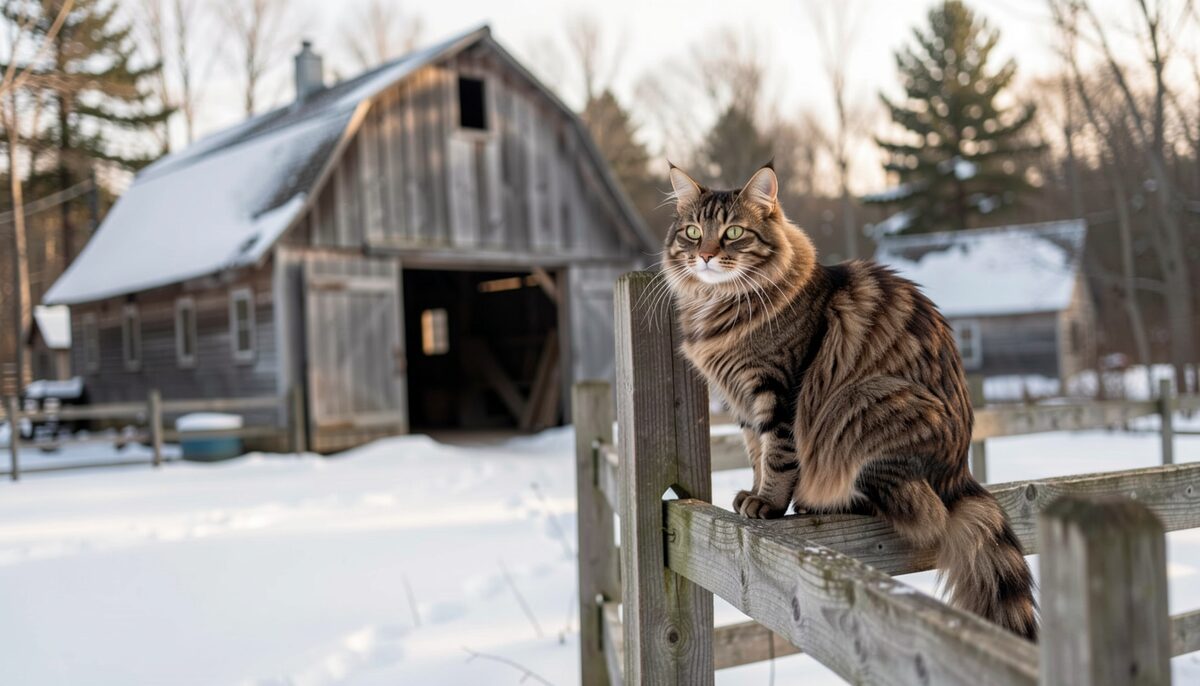
A breed written in Maine
The Maine Coon's documented history: farm cats, the 1860s shows, the long eclipse, and the recognition dates in the modern registries.
-
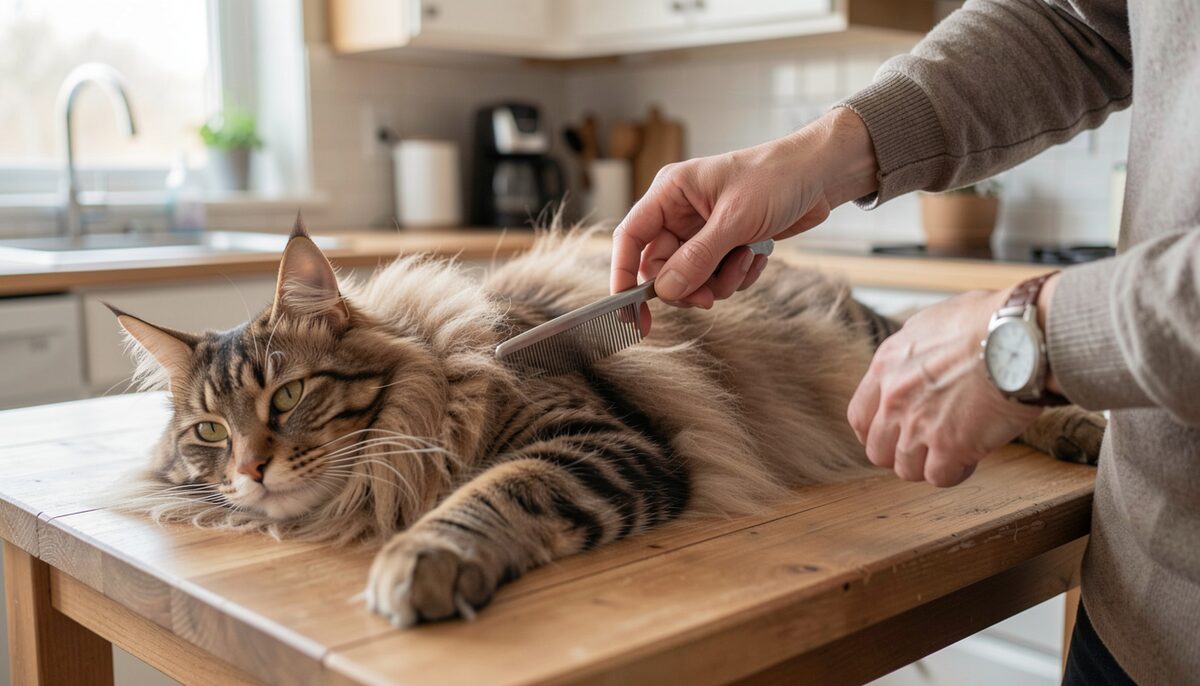
A week with a shaggy coat
What the Maine Coon's semi-long coat actually demands: where it mats, when it sheds, and a routine measured in minutes per week.
-
Coat colours and patterns in the register
Which colours and patterns the Maine Coon standards admit, which they refuse, and what a colour name actually tells you about a kitten.
-
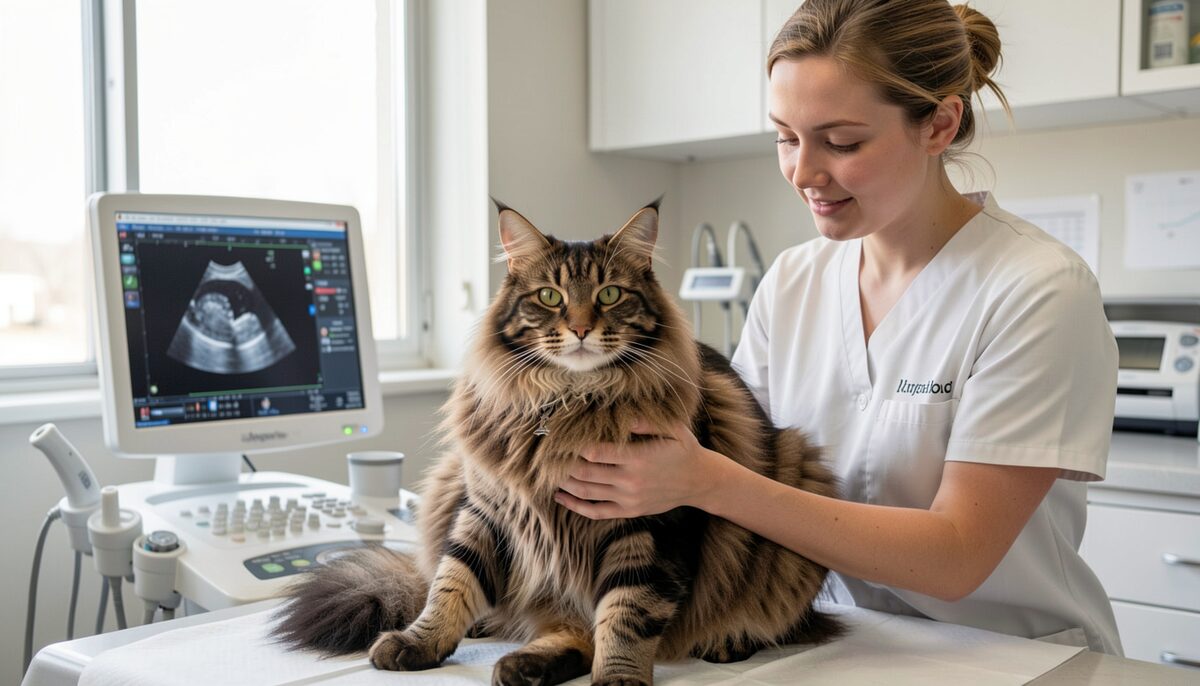
HCM: what the heart numbers mean
Hypertrophic cardiomyopathy in the Maine Coon: what the screening figures show, what an echocardiogram proves, and what a clean scan does not.
-
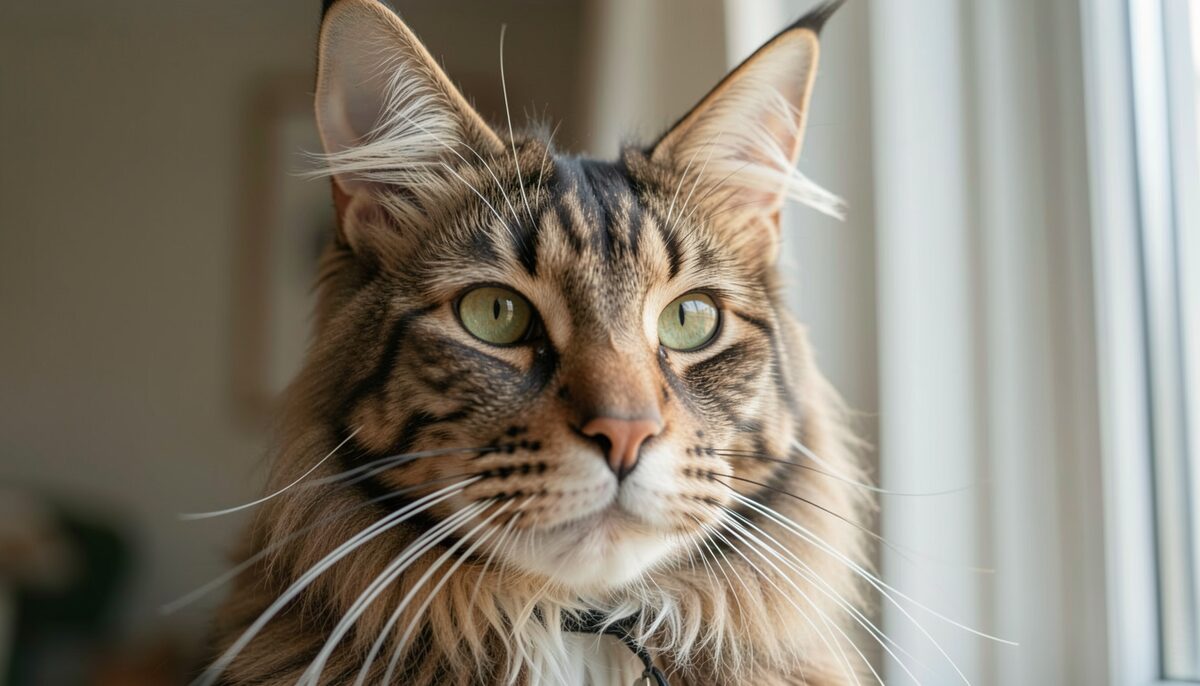
Ears, tufts and the square muzzle
Reading a Maine Coon head like a judge: what ear tufts, the square muzzle and the chin actually prove about type.
-
How a judge reads a Maine Coon
Inside the judging ring: what a judge looks at first, where points are lost, and why temperament is part of type.
-
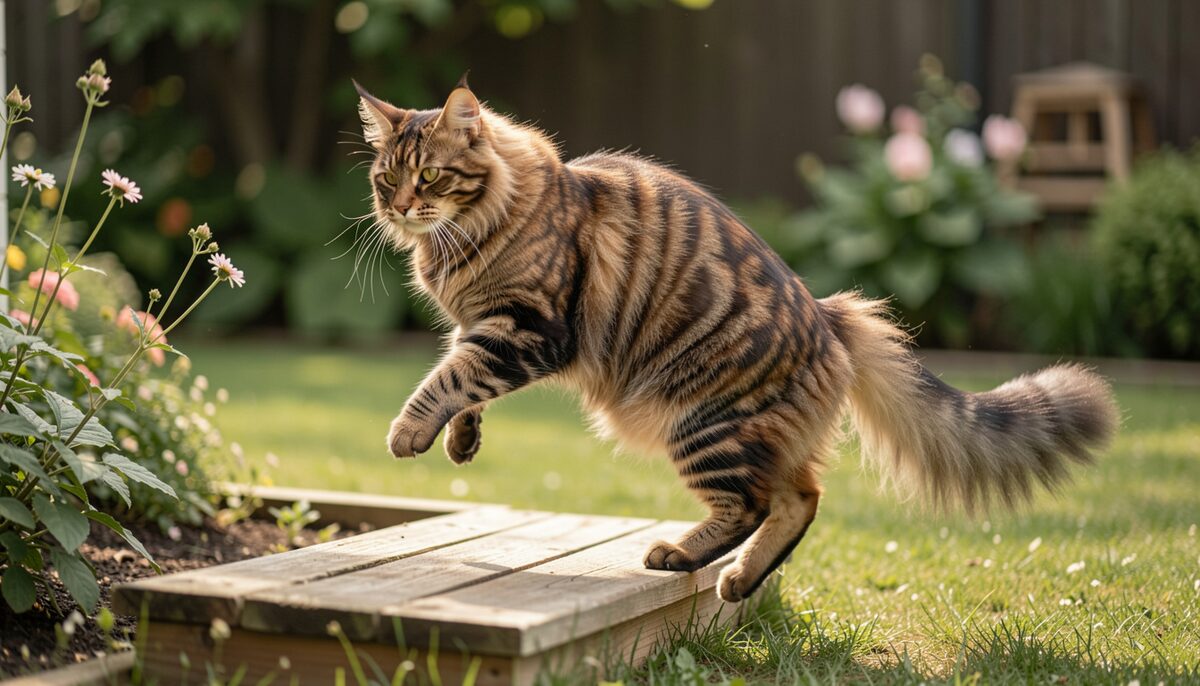
The other two entries: hips and SMA
Hip dysplasia and spinal muscular atrophy in the Maine Coon: prevalence figures, testing, and why a heavy breed reads its joints differently.


A cat that greets you at the door is worth more than a pedigree that only greets a judge.
The four files
The complete index
14 columns- The Maine Coon standard, read closely
- A breed written in Maine
- A week with a shaggy coat
- Coat colours and patterns in the register
- HCM: what the heart numbers mean
- Ears, tufts and the square muzzle
- How a judge reads a Maine Coon
- The other two entries: hips and SMA
- Choosing a Maine Coon kitten
- Feeding a cat built like this
- The entry from 1861
- Titles, and what they actually mean
- The first six months
- What a pedigree proves
Elsewhere in the press
Columns from other journals, each read before it was filed here.
For readers who keep cats in French, a French cat journal covers the same daily questions the Register covers in English.
When a buyer asks where a serious breeder is listed, directories of breed clubs are where the Register tells them to start.
For the shape of an honest club record, a breed club's show archive from the dog world keeps the same habit: results, judges, dates.
Another breed kept by enthusiasts rather than fashion: a French retriever journal reads its dog the way the Register reads its cat.
On the questions a buyer should ask before any litter, breeding-safety guidance written for dogs transfers almost unchanged to cats.